

A practical case study backed by on-site observations and performance data
In construction, delays rarely come from one major failure. More often, they are the result of small, repeated inefficiencies that quietly drain productivity. Fasteners—especially collated nails—are a classic example. They are used thousands of times a day, yet rarely examined for their impact on timelines, safety, and workforce morale.
This case study looks at how improving fastener quality helped a contractor regain control over schedules and teams—supported by real, measurable changes observed on active job sites.
Project Background: Stable Teams, Unstable Output
The contractor operated 4 simultaneous industrial and warehouse projects, each with:
18–25 workers per site
Pneumatic nail guns as primary fastening tools
Tight delivery schedules with penalty clauses
Despite experienced crews and adequate planning, average project delays ranged between 6–9% against original timelines.
On paper, this translated to:
7–10 lost workdays on a 4–5 month project
8–12% increase in overtime costs
Growing pressure from clients nearing handover deadlines
The challenge was consistency—not capability.
Identifying the Root Cause: Where Time Was Actually Going
Supervisors began tracking non-productive time over a 3-week observation period across two sites.
Key findings:
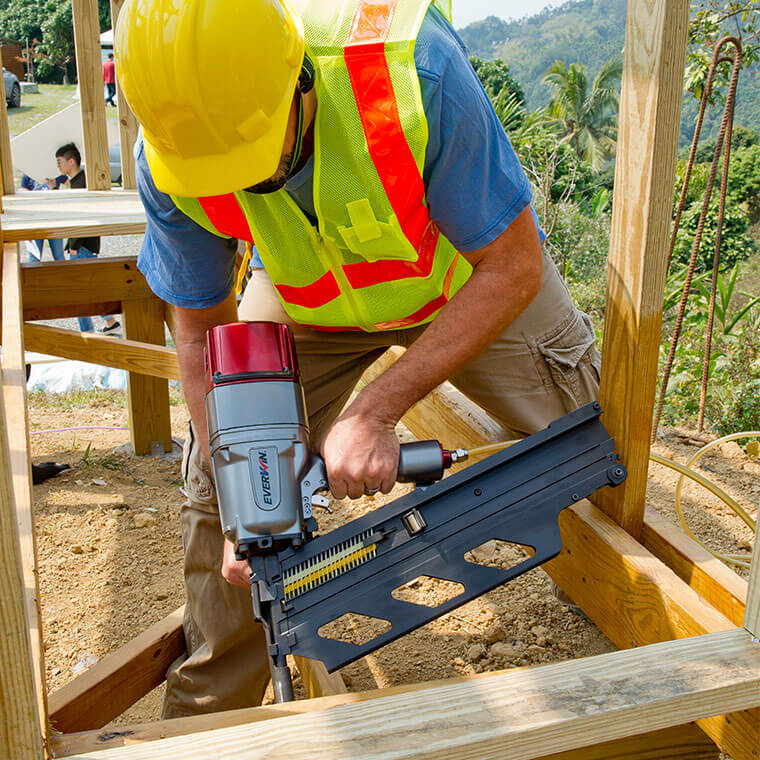
Nail gun-related interruptions accounted for ~18–22 minutes per worker per shift
Most interruptions were caused by:
Bent nails
Broken collation wires
Irregular nail angles causing jams
With an average of 20 workers × 20 minutes lost daily, the site was losing:
- 6.5 labor hours per day per site
Over a month, this meant 130+ labor hours lost, without any visible “failure.”
The Cost Beyond Numbers: Impact on Teams
While management focused on productivity metrics, the emotional cost surfaced elsewhere.
Workers reported higher frustration levels
Supervisors spent 30–40% of their time resolving avoidable tool issues
Skilled laborers slowed down to avoid rework
This erosion of confidence mattered. When tools are unreliable, workers compensate by being cautious—often slowing overall progress.
Changing the Approach: Evaluating Collated Nails as a Performance Input
The contractor reassessed how they selected collated nails manufacturers, shifting evaluation criteria from price-based procurement to performance-based reliability.
Key parameters introduced:
Batch-level consistency in nail length and diameter
Collation strength tested against continuous firing
Compatibility testing with site nail guns
Packaging integrity during transport and stacking
Trial batches were deployed across two live sites for comparison.
Measurable Improvements After the Switch
Within the first 14 days, supervisors recorded clear differences.
Operational data comparison (before vs after):
Nail gun jams reduced by: 60–65%
Idle time per worker dropped from: 20 minutes to 7–8 minutes per shift
Daily output improved by: 9–11%, without increasing manpower
Overtime hours reduced by: 15% within the first month
For one warehouse project alone, this translated to:
Recovering nearly 5 full working days over the project lifecycle
Safety and Focus: An Often-Ignored Metric
Fewer interruptions had an indirect but important effect on safety.
Internal site logs showed:
Reduced tool handling during elevated work
Fewer sudden stops during framing sequences
Improved attention during repetitive fastening tasks
While no serious incidents had occurred earlier, supervisors noted that near-miss tool adjustments dropped visibly once nail performance stabilized.
Consistency improved focus—and focus improves safety.
Business-Level Outcomes
Within 2–3 months of standardizing on a reliable supplier:
Procurement complaints related to fasteners dropped to near zero
Site managers reported smoother weekly planning
Client delivery confidence improved, with fewer buffer days added
Most tellingly, the contractor stopped switching suppliers. Repeat orders became the norm—not because of contracts, but because performance was predictable.
What the Data Really Proved
The numbers reinforced a simple truth:
A $1 saving per nail can cost $100+ per hour in lost productivity
Minor inconsistencies multiply across thousands of firing cycles per day
Reliable collated nails protect not just structures, but schedules and people
The smallest components often have the largest operational footprint.
Conclusion: More Than Fasteners, A System Stabilizer
This case study demonstrates that collated nails are not just consumables—they are load-bearing elements of productivity.
By choosing responsible collated nails manufacturers, contractors:
Reduce hidden downtime
Protect worker morale
Stabilize project timelines
Strengthen client trust
When fasteners perform consistently, teams perform confidently.
And when teams perform confidently, projects move forward—on time, every time.